
CODiE Awards 1990: SimCity, Carmen Sandiego, Space Quest 3
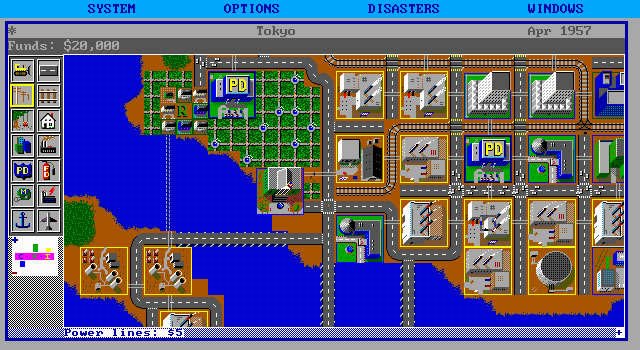
1990 feels like one of those quiet turning points in videogame history: not flashy at first glance, but absolutely packed with ideas. While arcades were still alive and kicking and consoles kept doing their thing, something more cerebral was taking shape on home computers. That year helped solidify not one, but two genres that would go on to shape how players think about control, systems, and - occasionally - playing deity after dinner.
On one side, you had the rise of city-building simulations, led by SimCity. Technically released a bit earlier but truly coming into its own around 1990. Instead of blasting aliens or rescuing princesses, you were zoning residential areas and wondering why your citizens hated you. It was a radical shift: no real win condition, no final boss, just a sandbox full of problems and the faint hope that your power grid wouldn’t collapse. Even today, the genre remains oddly niche in terms of big names, but its influence is unmistakable to anyone who has ever micromanaged a virtual anything.
Then there’s the stranger sibling: the so-called god game, a label popularized by Populous. Defining the genre is tricky, because it’s less about strict mechanics and more about perspective. You’re not a character: you’re a force. You don’t directly control people; you nudge them, guide them, occasionally ruin their day with a well-placed volcano. Populous wasn’t the first game to experiment with this idea, but it gave the concept a name and a personality, turning divine intervention into actual gameplay. From there, the genre would evolve in weird and fascinating directions, sometimes brilliant, sometimes completely unhinged.
Outside the pixelated world, 1990 wasn’t exactly quiet either. The launch of the Hubble Space Telescope expanded humanity’s view of the universe (once they fixed the blurry lens issue, of course), while the reunification of Germany marked the end of a long geopolitical divide. At the same time, tensions and conflicts were brewing or escalating in places like Yugoslavia, Iraq, and Namibia, reminding everyone that history rarely moves in a straight line.
From the official site: "The SIIA CODiE Awards were established in 1986 so that pioneers of the then-nascent software industry could evaluate and honor each other's work."
- 1990
- HardBall II Best Sports Program
- Populous Best Strategy Program
- SimCity Best Consumer Program
- SimCity Best Curricular Program
- SimCity Best Entertainment Program
- SimCity Best Simulation Program
- Space Quest III: The Pirates of Pestulon Best Fantasy Role Playing/Adventure Program
- WELLTRIS Best Action/Arcade Program
- Where In Time Is Carmen Sandiego? Best Home Learning Program