
What is shovelware?
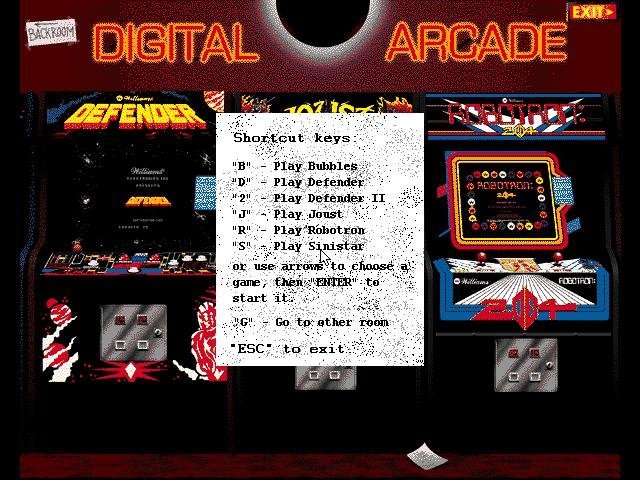
Shovelware wasn’t defined by genre but by intent. Educational programs, trivia games, clip-art collections, half-finished arcade clones, and barely functional utilities all ended up lumped together under the same label. What they shared was a lack of polish and originality, often produced with minimal budgets and even less testing.
The Rise of Cheap Discs and Big Boxes
Shovelware truly flourished with the arrival of CD-ROMs. Suddenly, hundreds of megabytes needed to be filled, and publishers responded by bundling dozens—or hundreds—of small programs onto a single disc. Supermarket shelves and electronics stores filled with oversized boxes promising “500 Games” or “1,000 Amazing Titles,” most of which were forgotten within minutes of installation.
For many users, especially newcomers to PCs, these collections were both fascinating and disappointing. They offered endless variety on paper, but rarely delivered depth. Still, for a generation of players, shovelware discs became an accidental introduction to obscure shareware, experimental software, and forgotten curiosities.
From Insult to Historical Snapshot
While the term shovelware is often used dismissively, it also captures a specific moment in software history. It reflects a time when barriers to publishing were low, standards were undefined, and experimentation—intentional or not—was everywhere. Some developers learned their craft producing forgettable titles; a few even went on to make genuinely good games later.
Today, shovelware has largely shifted platforms, appearing on digital storefronts and mobile app stores instead of bargain bins. Yet the concept remains the same: quantity over quality, speed over care. Looking back, shovelware may not have produced many classics, but it left behind a chaotic, sometimes fascinating archive of what happened when software was cheaper to make than to think about.
Find out more