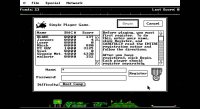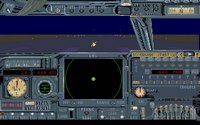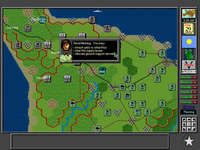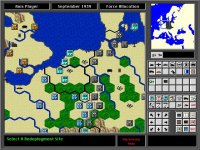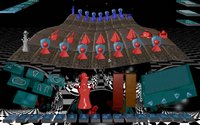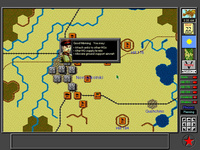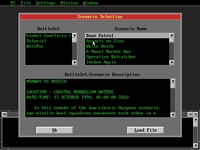
There was something faintly theatrical about Three-Sixty Pacific, as if the company had been founded not just to make games, but to stage them. Born in the late 1980s, when floppy disks ruled and patience was a required system specification, the studio carved out a peculiar niche for itself: serious simulations with just enough personality to remind you that, yes, humans were still involved.
While others chased arcade thrills or pixelated heroics, Three-Sixty Pacific preferred spreadsheets with a sense of ambition. Their titles often felt like they’d been designed by someone who enjoyed both history books and a good argument about logistics. You didn’t simply play their games—you negotiated with them, occasionally lost to them, and sometimes wondered if they secretly judged your decision-making skills.
Their catalog wasn’t vast, but it had a certain stubborn charm. Naval warfare, grand strategy, intricate systems—these weren’t games you casually picked up during a coffee break. They demanded attention, and in return offered that rare satisfaction of finally understanding what on earth was going on after three hours of confusion.
Like many studios of its era, Three-Sixty Pacific eventually drifted out of the spotlight, overtaken by louder, flashier competitors. Yet for those who remember it, the company occupies a quiet corner of gaming history—a place where complexity wasn’t a bug, but the whole point. And perhaps that’s why its games still linger, like half-finished plans waiting patiently for someone brave enough to revisit them.
 U.S.A.