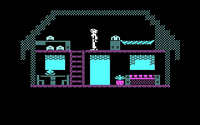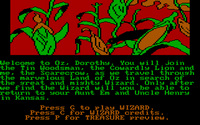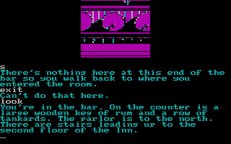
There was something oddly charming about Windham Classics, a company that seemed to believe children could handle literature, history, and a joystick all at once—and might even enjoy the combination. Founded in the mid-1980s as a sort of refined cousin to Spinnaker Software, it didn’t chase arcade thrills or pixelated explosions. Instead, it quietly invited players to hang out with Treasure Island, poke around Frankenstein, or solve mysteries with Sherlock Holmes, all from the comfort of an EGA monitor that hummed like a small refrigerator.
What made Windham Classics peculiar, in the best possible way, was its insistence on not talking down to its audience. These weren’t games that slapped a quiz at you and called it “fun.” They were interactive storybooks with just enough puzzles to make you feel clever and just enough narrative to make you forget you were, technically, learning something. It was edutainment before that word became slightly embarrassing.
Of course, subtlety is rarely a winning strategy in a market increasingly obsessed with speed and spectacle. By the early ’90s, the industry had little patience for literary adventures with polite pacing. Windham Classics faded away without much drama, leaving behind a catalog that feels, today, like a time capsule from an alternate timeline—one where kids happily spent their afternoons fixing plot points in classic novels instead of shooting aliens. Not a bad trade, honestly.
 U.S.A.