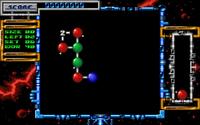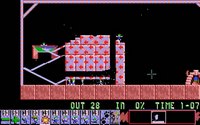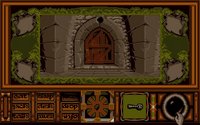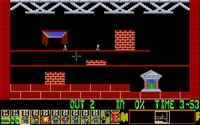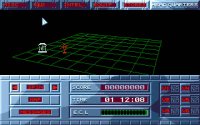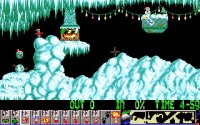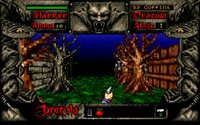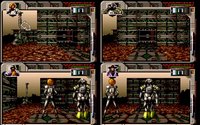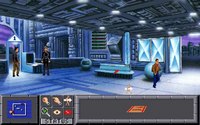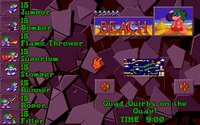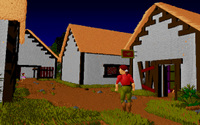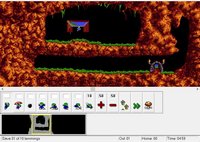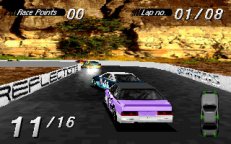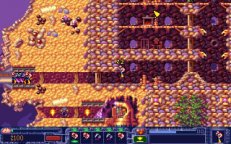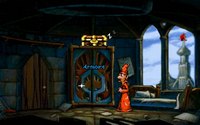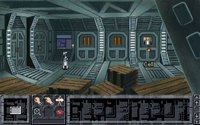
The story of Psygnosis begins in Liverpool in 1984, when a group of developers who had previously worked at Imagine Software decided to start over after their former company collapsed in spectacular fashion. Imagine had burned brightly and briefly, leaving behind ambitious ideas, unfinished projects, and probably a few office chairs that nobody bothered to collect. Out of that rather dramatic ending came a new studio with a strange name, a fascination with stylish presentation, and a clear determination to do things a little differently.
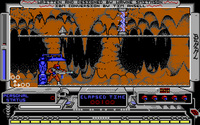
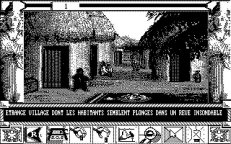
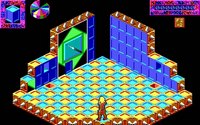
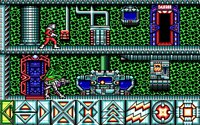
From the beginning Psygnosis developed a reputation for games that looked unusually striking for their time. Part of this was thanks to collaborations with artists like Roger Dean, whose surreal cover illustrations made the company’s game boxes look more like prog-rock album art than typical software packaging. Their titles appeared on systems such as the Amiga and Atari ST, and even before players loaded the disk, the cover alone suggested something mysterious and slightly otherworldly was waiting inside.
The studio truly found global recognition in the mid-1990s with Wipeout, a futuristic racing game that blended high speed, electronic music, and sleek design into something that felt inseparable from the early identity of the PlayStation. It was the sort of game that made players feel as if they had suddenly jumped ten years into the future, even though they were still sitting on the same sofa.
Eventually the company was absorbed into Sony Computer Entertainment and later rebranded, but Psygnosis left behind a legacy of stylish experimentation. Some studios focus on technology, others on gameplay systems; this one seemed particularly interested in making sure the whole experience looked cool enough that you felt slightly more sophisticated just by owning the box. United Kingdom